House Sitting in Spain: How It Works and How to Find Sits
A practical guide to house sitting in Spain — how it works, whether it's paid, where the sits are, what Spanish homeowners expect, and how to find your first sit safely.
House sitting in Spain usually means staying in someone's home to care for it and their pets while they travel, most often as an unpaid exchange for free accommodation. Some local or task-heavy sits are paid. You find sits on trusted platforms by building a verified profile, applying early, and starting with a short local stay to earn reviews.

Au Pair Bureau
Practical guidance published by Au Pair Bureau.
8 min read
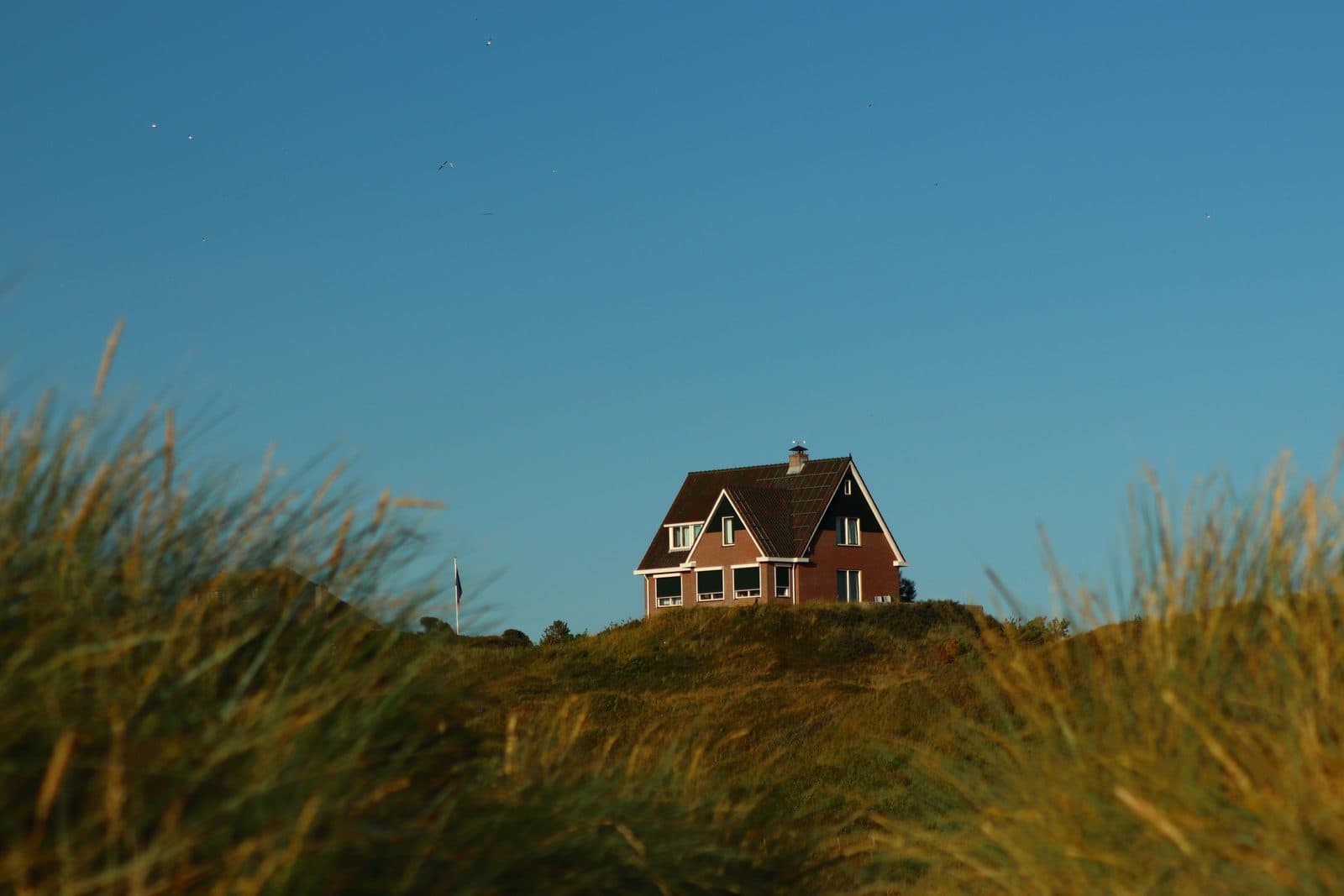
With its warm climate and large international community, Spain is one of Europe's most popular house-sitting destinations — from villas on the Costa del Sol to city apartments in Barcelona and Madrid. This guide explains how house sitting in Spain works, whether you get paid, where the opportunities are, what Spanish homeowners expect, and the safest way to find your first sit.
How house sitting in Spain works
A house sit is a mutual-trust arrangement: an owner travels and a sitter stays in their home to keep it secure, lived-in and cared for — usually looking after pets, plants and everyday upkeep. Owners avoid kennels and get real peace of mind; sitters get free, comfortable accommodation in a place they'd love to explore. Most sits in Spain are arranged through dedicated house-sitting platforms where owners post dates and choose a verified sitter after a video call.
Is house sitting in Spain paid?
On the main international platforms, house sitting is typically an unpaid exchange — the sitter's "payment" is free accommodation, and the owner usually covers utilities. Paid house or pet sitting exists in Spain too, usually for local, short-notice or more demanding assignments (multiple animals, medication, large properties or pools). Decide which model you want, agree it clearly in writing, and never send money to secure a sit — a request for payment up front is the classic scam sign.
Where the sits are
Spain's mild climate makes it a year-round house-sitting country. The coasts and islands — the Costa del Sol, Costa Blanca, Valencia, and the Balearic and Canary Islands — have a high concentration of sits thanks to large expat and second-home communities, often villas with pools, gardens and dogs. Inland cities like Madrid, Barcelona, Seville and Málaga offer apartment sits with cats or small dogs, ideal for sitters who want city life. Rural Andalusia and the north (Asturias, Galicia) have quieter, nature-focused sits.
Typical responsibilities on a Spanish sit include:
Feeding, walking and giving company to pets (most often dogs and cats)
Watering gardens, terraces and plants — essential in the hot, dry months
Basic home security: bringing in post, managing blinds/persianas, checking the property
Pool upkeep on coastal and villa properties (agree the scope in advance)
Sending the owner regular photo updates so they can relax while away
What Spanish homeowners usually expect
Reliability above all — arriving and leaving on the agreed dates, and never leaving pets alone longer than agreed
A verified, reviewed profile and a friendly video call before they confirm
Respect for the home, neighbours and community (comunidad) rules, and a tidy handover
Clear communication — English is common on the platforms and in expat areas, though a little Spanish helps in rural regions
Following the handover notes: pet routines, vet and emergency contacts, alarm and Wi-Fi details
How to find house-sitting jobs in Spain
Build a trustworthy profile: a clear photo, a short intro, any pet or home-care experience, and references — even non-sitting ones to start.
Stripe Identity checks are optional. An identity check does not verify references, qualifications, criminal history or suitability, and is not a safety or placement guarantee.
Apply early and personalise every application: mention the specific pets, the town, and why the dates suit you.
Start local and short to earn your first one or two reviews, which unlock the popular coastal sits.
Sort your logistics: flights, a car for coastal or rural sits, and travel insurance.
Staying safe — for both sides
Trust is built through verification, not luck. Whether you're the owner or the sitter, protect yourself:
Keep all messaging on the platform until you've had a video call and checked references.
Never pay a deposit, "booking fee" or "visa fee" to a person — legitimate sits don't work that way.
Agree the scope in writing: pets, plants, pool, home tasks, arrival/departure times, and who covers utilities.
Owners: mention any security cameras up front, and leave written routines, vet details and emergency contacts.
Do a short handover call or overlap so routines and keys are clear before the owner leaves.
Getting started
If you want to house sit in Spain, create a verified sitter profile, apply for a short local sit first, and be reliable on the small things — updates, photos, tidy handovers. Those first reviews are what earn you the villa by the coast. If you're a homeowner in Spain looking for a trusted sitter, post your dates, video-call your shortlist, and check references before you confirm.
Create your profile and start matching
Join free and unlock personalized matches in minutes with a fully self-serve flow.
Popular job searches
Popular hiring pages
Tags: