
Complete Guide to Au Pair Visas and Legal Requirements
Navigating au pair visas, contracts, and legal obligations can be complex. Here is your essential guide to staying compliant and secure.
Whether an au pair needs a visa depends on nationality and destination. Within the EU/EEA, citizens usually need no visa; non-EU au pairs generally need an au-pair or cultural-exchange visa, and the US runs the regulated J-1 programme. Requirements typically cover age limits, a signed contract, health insurance, and sometimes residence registration. Always check the official rules for your specific country pair before you travel.

Giulia Rossi
Our Giulia Rossi specializes in immigration and au pair regulations.
17 09 2026
10 min read
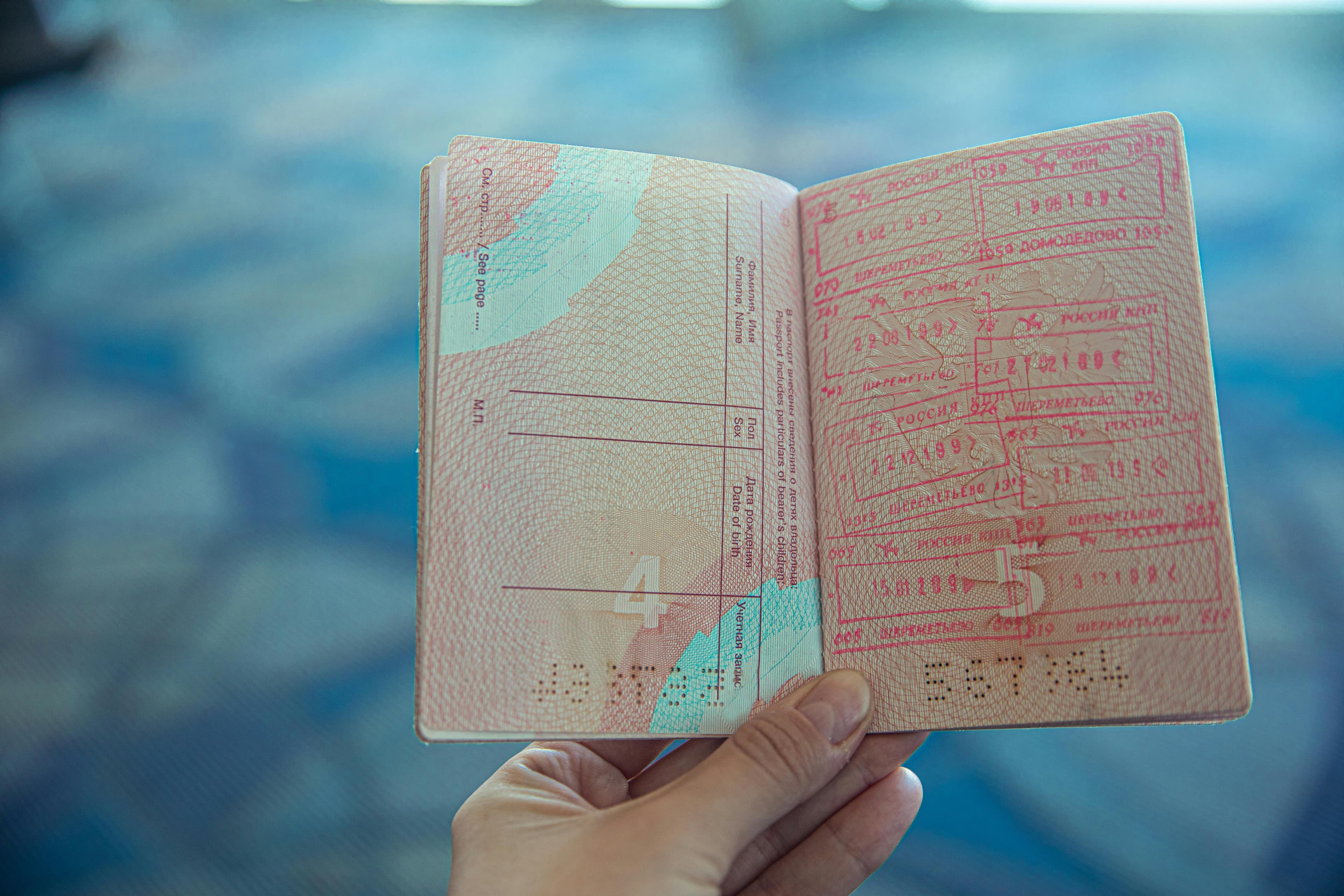
Planning an au pair stay involves more than just finding the perfect match. Navigating the legal landscape is crucial for a safe and successful experience. From visas to contracts, this guide covers the essential legal requirements for host families and au pairs.
1. The Au Pair Contract
A written contract is the foundation of a successful placement. It protects both parties and clarifies expectations. Your contract should explicitly state:
Duties and Responsibilities: Specific childcare tasks and light housework.
Working Hours: Weekly maximums and daily limits (e.g., 30 hours/week).
Pocket Money: The agreed amount and payment schedule.
Time Off: Free days, weekends off, and paid holidays.
Notice Period: How much notice is required to terminate the agreement (usually 2 weeks).
2. Visa Requirements by Region
Visa rules vary significantly depending on where you are going. Always check the official government embassy website for the most up-to-date information.
Europe (Schengen Area)
For non-EU citizens, a specific 'Au Pair Visa' is often required. You will typically need a signed contract, proof of basic language skills, and health insurance. EU citizens generally do not need a visa to au pair within the EU.
USA (J-1 Visa)
The USA has strict regulations. You MUST go through a designated sponsor agency to obtain a J-1 Visa. Private direct placements without an agency are illegal.
Australia & New Zealand
These countries often use the 'Working Holiday Visa' (Subclass 417 or 462 in Australia) for au pairs. Age limits (usually 18-30) and proof of funds are key requirements.
3. Insurance and Healthcare
Health, accident, and liability insurance are non-negotiable. In many countries, the host family makes contributions towards or fully pays for this insurance. Ensure your policy covers medical emergencies and repatriation.
4. Registration and Residence Permits
Arriving safely is just the first step. Upon arrival, au pairs often need to register with local authorities (e.g., the Resident's Registration Office) and apply for a residence permit if staying longer than 3 months.
5. Age and Eligibility
Most programs have strict age limits, typically between 18 and 30 years old. Additionally, au pairs generally must be unmarried and have no children of their own.
By following these legal guidelines, you build a foundation of trust and security, allowing you to focus on the cultural exchange and family bonding that make the au pair experience so special.
Create your profile and start matching
Join free and unlock personalized matches in minutes with a fully self-serve flow.
Popular job searches
Popular hiring pages
Tags: