
The Caregiver's Daily Log Template: Tracking Meals, Naps, Moods, and Activities
A practical daily log framework for nannies and au pairs to track meals, naps, moods, and routines so families get clear, consistent updates every day.

Editorial Team
Our editorial team researches practical, safety-first household care guidance for families and caregivers.
13 09 2026
11 min read
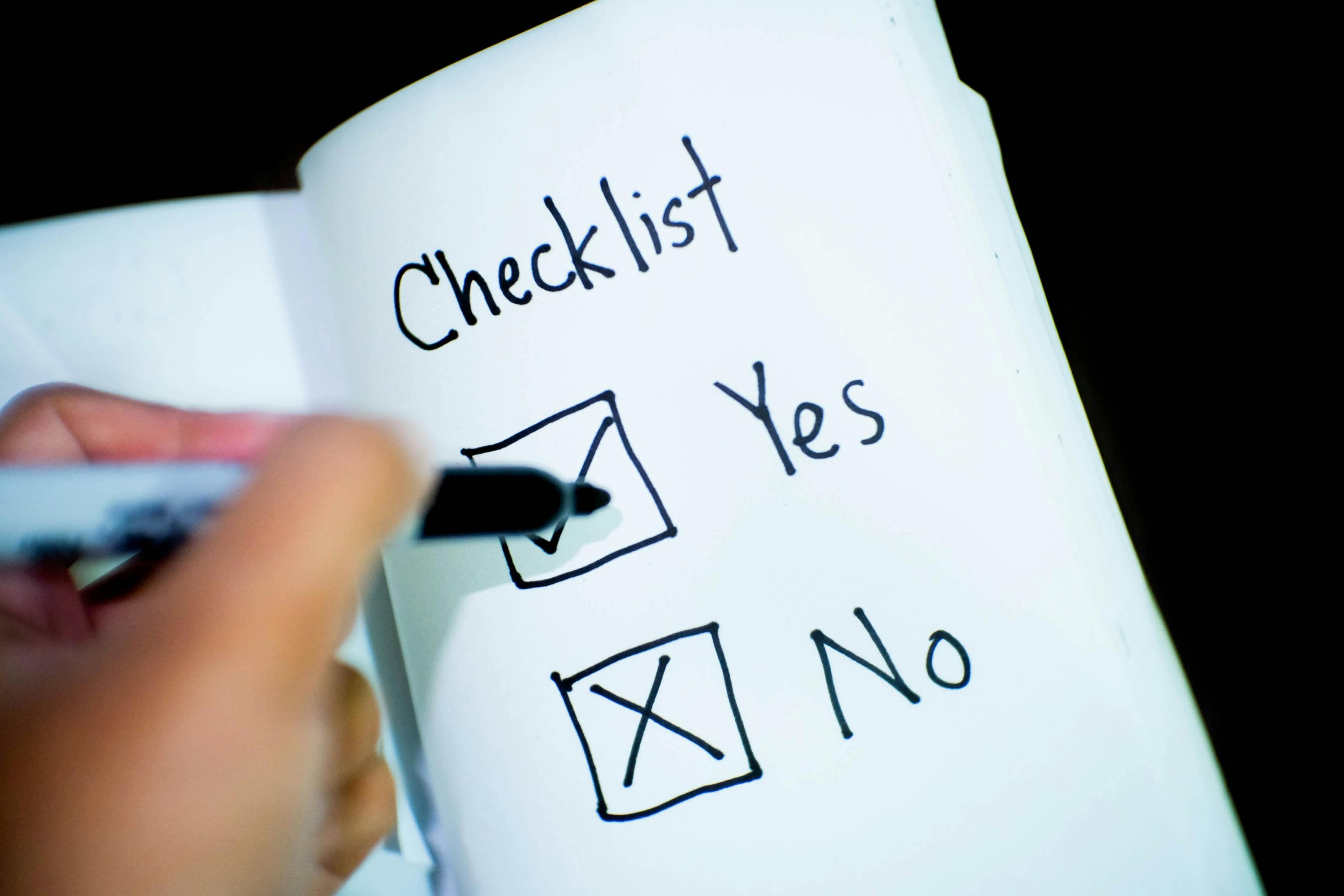
When parents are at work, the day still moves quickly: meals happen, moods shift, naps are skipped, and small incidents become important patterns. Without a structured handoff, critical details are easily lost.
Important note: this guide combines practical caregiver-reporting workflows with common childcare tracking standards. Exact categories can be customized to each child’s age, health profile, and family routine.
Why a Daily Log Is Essential
A daily log is not micromanagement. It is an alignment tool that improves consistency, decision quality, and trust between families and caregivers.
Routine consistency: helps caregivers and parents apply the same structure across shifts.
Health visibility: captures patterns in appetite, sleep, mood, and symptom changes.
Clear communication: reduces disruptive back-and-forth messaging during working hours.
Faster handoffs: gives parents immediate context when they return home.
The Core Sections Every Daily Log Should Include
A) Meals, Snacks, and Hydration
Track what was offered, what was consumed, and any reactions. Intake quality often explains mood and energy changes later in the day.
B) Sleep and Nap Timing
Record exact nap start and end times plus any resistance to sleep. This allows parents to adjust evening routines before overtired behavior escalates.
C) Activities and Learning
Document educational activities, outdoor time, creative play, and cultural or language moments introduced by the caregiver.
D) Mood and Behavior
Use a simple mood scale and note key triggers or calming strategies used. Behavioral notes become highly valuable when reviewed over multiple days.
E) Medication and Health Notes
For children with medical needs, include timing, dosage notes, and any observed responses. Keep this section precise and timestamped.
F) Supplies and Reminders
Add a quick section for low-stock items and next-day reminders so household logistics stay proactive, not reactive.
Age-Based Variants for Better Reporting
Infants: bottle amounts, diaper changes, nap transitions, and soothing methods.
Toddlers: meals, nap windows, behavior triggers, and activity engagement.
School-age children: homework progress, screen-time use, social interactions, and after-school routines.
Digital vs. Paper: Why Hybrid Works Best
Apps are useful, but a physical backup prevents communication gaps when devices fail, batteries die, or connectivity drops.
Use digital updates for midday highlights and urgent alerts.
Keep a printed daily log in a visible handoff location for end-of-day review.
Store weekly summaries for pattern review with parents and pediatric providers when needed.
How to Implement the Log Without Overload
Limit required entries to high-value fields that influence care decisions.
Use checkboxes and short prompts to keep completion time low.
Set one consistent daily handoff time for review.
Review weekly for patterns instead of reacting to isolated single events.
Download the Free Caregiver Daily Log Toolkit
Use our printable daily log toolkit to standardize caregiver reporting and keep your child’s routine transparent, stable, and easy to manage.
Infant log template (feeding, diapers, sleep)
Toddler and school-age daily tracker (meals, activities, moods, homework)
Weekly schedule overview for planning and handoff alignment
Lead Magnet CTA: Open the printable toolkit below.
Toolkit preparation note: Build this as a branded PDF using your normal design workflow (for example Canva or Word), then host the file at a stable URL and link it directly from this article in each locale.
This article is for educational purposes and is not medical or legal advice. Always follow your pediatric provider’s guidance and local care regulations when documenting health-related information.
Create your profile and start matching
Join free and unlock personalized matches in minutes with a fully self-serve flow.
Popular job searches
Popular hiring pages
Tags: